
Guides / Stock shrinkage
How to stop stock shrinkage in a small shop
Shrinkage is not only theft. It is every silent gap between what should be on the shelf and what is there: wrong prices, unrecorded sales, broken packs, deni without stock movement, and “I’ll update later.”
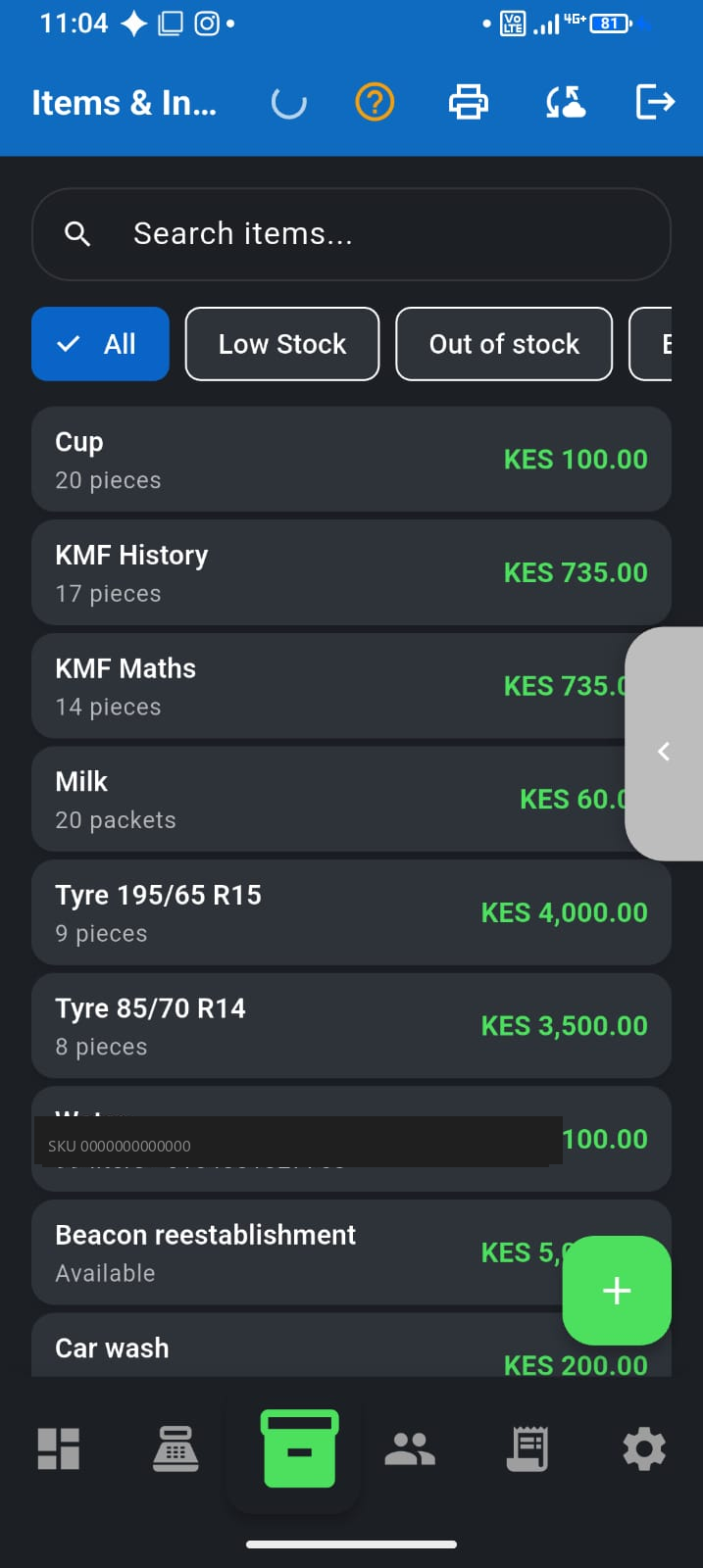
Where small shops actually lose stock
- Unrecorded sales — especially M-Pesa “quick” payments
- Friends and family take — not logged as sale or expense
- Wrong prices / wrong items — busy counters without barcodes
- Damage and expiry — never written off
- Receiving errors — supplier short-packs you never count in
- Deni chaos — goods leave, balance unclear
A simple anti-shrinkage system
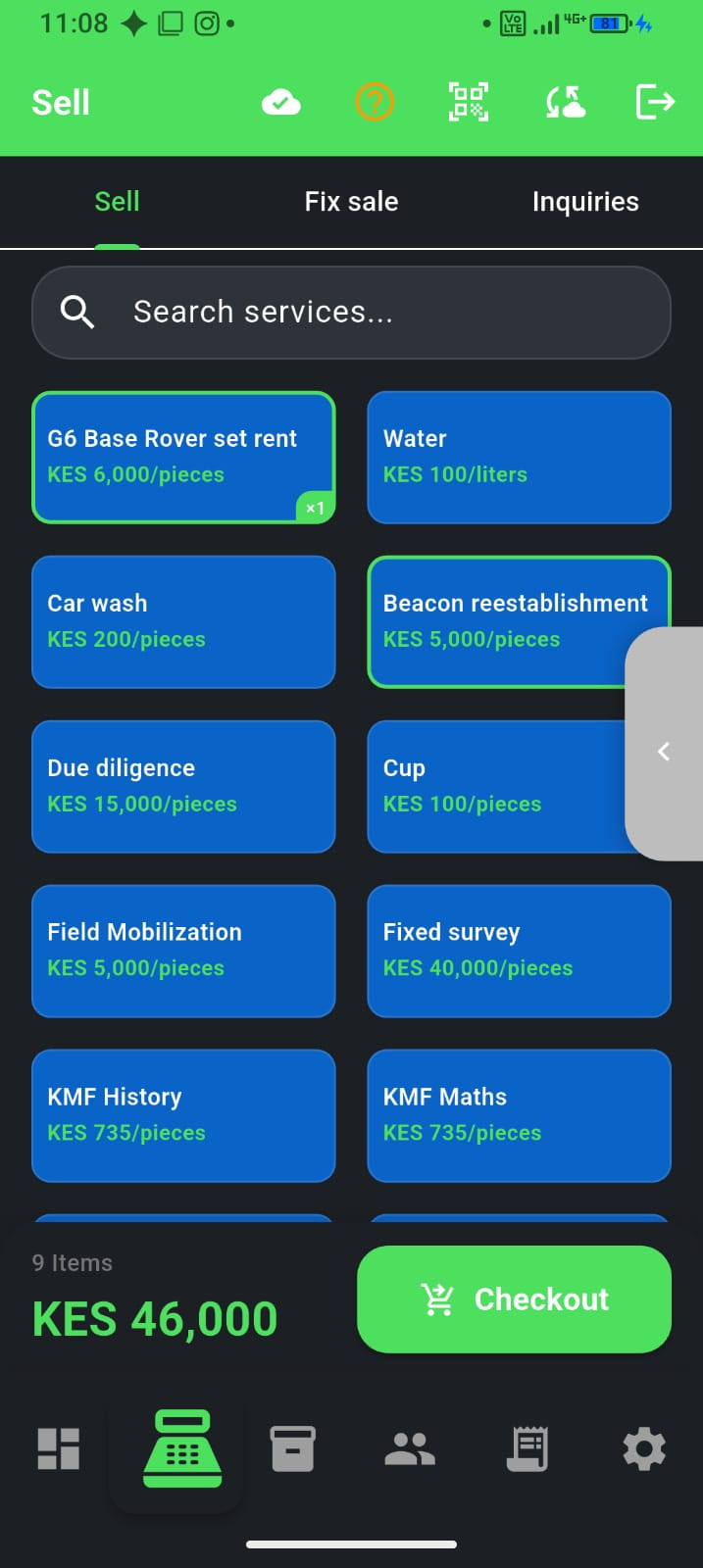
- Every exit is a sale (or a recorded adjustment)—no silent freebies
- Receive every delivery — count cartons in before you sell them out
- Count what matters — weekly spot-checks on top 20 movers, then Adjust stock
- One catalogue — stop duplicate names for the same item
- Fix mistakes same day — void and re-sell beats “adjusting memory”
- Separate staff logins when more than one person sells
Use tools that make honesty easier
- Barcode scanning for packaged goods cuts wrong-item mistakes
- Low-stock awareness stops “surprise empty” shelves
- Receive stock / Adjust stock keep inbound and counts honest
- Transaction history shows who sold what when roles exist
- Deni linked to named customers reduces “someone took on credit”
Guides: duka inventory, receive & adjust, barcodes, deni, staff setup.
Culture beats cameras alone
Cameras help, but a shop that never records sales will still shrink. Make the rule visible: if it left the shelf, it is in the system—cash, M-Pesa, or deni.
How F-Biz helps
F-Biz by Fayvad updates inventory with sales, supports barcodes on higher tiers, tracks deni, receive/adjust stock, and lets owners void mistakes with Fix sale—so shrinkage shows up as a process problem you can fix.